


Trump Surprises With Russia Diesel Deal Following Talks With Putin
The proposed fuel shipments aim to ease rising US energy costs, but the decision to temporarily lift sanctions on Russian diesel has drawn criticism from Ukrainian President Volodymyr Zelenskyy and lawmakers from both parties.
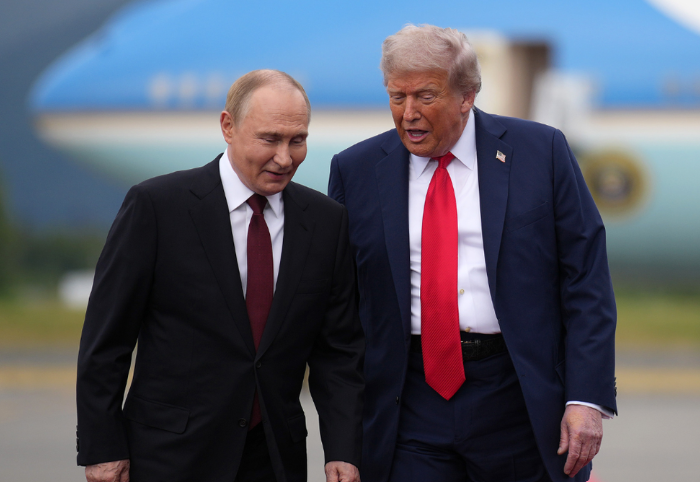
WASHINGTON: US President Donald Trump has announced an agreement with Russian President Vladimir Putin for the supply of diesel to American and international markets, triggering criticism from Ukrainian officials and lawmakers concerned that the move could provide financial support to Moscow amid its ongoing war with Ukraine.
Trump announced the arrangement on Friday following a telephone conversation with Putin. Shortly afterwards, the US Department of the Treasury lifted sanctions on Russian diesel supplies to global markets, including the United States, until April 7 next year, according to the announcement.
The decision comes weeks after the US Congress passed legislation authorising steep tariffs on major purchasers of Russian oil and gas. The development has raised questions about Washington’s approach to Moscow, particularly as the administration seeks to address rising domestic fuel prices.
In a post on Truth Social, Trump described his discussion with Putin as highly successful and said Russia would immediately supply more than 300,000 tonnes of diesel fuel to the US and global markets.
He added that another 500,000 tonnes would be supplied in November, followed by an additional one million tonnes. Trump also indicated that Russia could deliver a further three million tonnes within a relatively short period, depending on the condition of its diesel refineries.
The proposed arrangement is intended to increase fuel availability as the United States faces elevated energy costs amid the conflict involving Iran. Fuel prices have become a politically significant issue ahead of the US midterm elections scheduled for November 3.
Trump said American control of the Strait of Hormuz, combined with the anticipated Russian diesel supplies, would bring fuel prices down sharply. However, the extent to which the proposed shipments would affect domestic prices remains uncertain.
The average price of diesel in the United States stood at USD 6.28 per gallon on Friday, compared with USD 3.68 a year earlier, according to the figures cited in the report.
The agreement has prompted criticism from Ukrainian President Volodymyr Zelenskyy, who argued that allowing Russia to sell petroleum products would provide financial resources that could sustain its military operations.
In a social media post, Zelenskyy said additional revenue from diesel exports would not contribute to peace and could instead enable further attacks on Ukrainian cities.
The announcement has also drawn objections from members of the US Congress, including lawmakers who have supported sanctions against Moscow.
Republican Representative Don Bacon criticised the administration’s approach to Russia and Ukraine, arguing that purchases of Russian energy could help finance the Kremlin’s military campaign. He called for greater clarity in Washington’s policy towards the conflict.
Democratic Senator Richard Blumenthal, who co-authored legislation imposing sanctions on Russia alongside Republican Senator Lindsey Graham, also condemned the agreement. He described the decision to purchase Russian diesel while easing restrictions as an embarrassment.
The sanctions legislation was passed by both chambers of Congress on September 16 and signed into law by Trump two days later, according to the report.
California Democratic Representative Dave Min also questioned the consistency of the administration’s policy, suggesting that continued energy agreements with Russia could undermine the purpose of the sanctions framework.
Republican Representative Michael McCaul acknowledged the administration’s interest in reducing diesel prices but warned that lifting restrictions on Russian petroleum products could provide additional funding to Moscow and prolong the conflict.
The debate comes as the White House faces pressure to contain energy costs without undermining its stated objectives regarding Russia’s war against Ukraine.
Last month, the administration considered restricting US diesel exports in an effort to increase domestic availability. However, the proposal was shelved after representatives of the oil and gas industry warned that limiting exports could contribute to international shortages and push prices higher.
The latest agreement highlights the competing priorities confronting US policymakers: stabilising fuel prices, maintaining energy supplies and determining the economic pressure to place on Russia.
While Trump has presented the proposed deliveries as a measure that could help ease fuel costs, critics argue that the accompanying sanctions relief risks weakening the broader effort to restrict Moscow’s energy revenues.
The eventual effect on American consumers will depend on the volume and timing of deliveries, market conditions and the extent to which additional supplies translate into lower prices at the pump.

