


J&K Polls: BJP and Congress Veterans, Including Top Names, Face Major Losses in Landmark Elections
Congress and BJP Stumble as Key Leaders Face Crushing Defeats in Historic J&K Elections
Jammu, Oct 8: The recently concluded Jammu and Kashmir Assembly elections, the first since the abrogation of Article 370, delivered a dramatic reshuffling of the political landscape, with several high-profile figures and seasoned politicians losing their seats. The National Conference (NC) emerged as the single largest party, securing 42 seats, while numerous prominent leaders faced significant defeats, highlighting a shift in voter preferences across the region.
Among the most notable losses were two former deputy chief ministers. Muzaffar Hussain Baig, a veteran politician who had previously served as both deputy chief minister and Member of Parliament, lost his seat in Baramulla. Out of 24 candidates in the constituency, Baig’s result was particularly disheartening as he not only failed to win but also forfeited his deposit, finishing third with only 5,872 votes. His nephew, Javid Hussain Baig, won the seat with a total of 22,523 votes, signaling a generational shift in political support within the constituency.
Similarly, former deputy chief minister Tara Chand, running as the Congress candidate from the Chhamb seat in the Jammu region, was defeated by independent candidate Satish Sharma, placing third. The loss further illustrated the weakening grip of veteran politicians in the newly restructured political scenario.
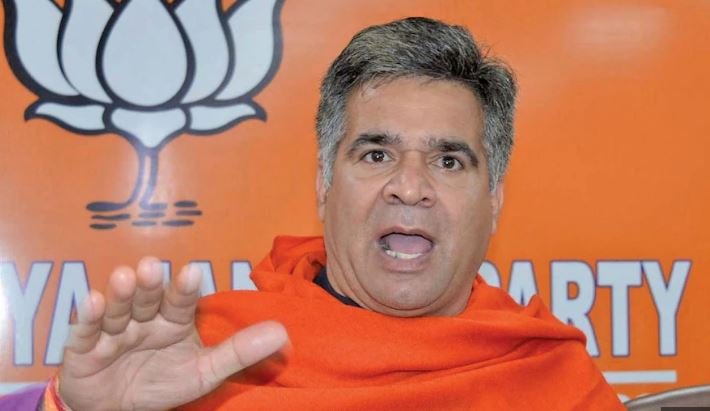
Other prominent figures who failed to secure their seats include a host of former ministers and party leaders. Among them were Vaqar Rasool, former Jammu and Kashmir Pradesh Congress Committee (JKPCC) president and ex-minister; Ravinder Raina, the state BJP president; Raman Bhalla, JKPCC working president; and several former ministers including Abdul Rehman Veeri, Altaf Bukhari, Usman Majid, Chowdhary Lal Singh, Manohar Lal Sharma, Chowdhary Zulfiqar Ali, Harsh Dev Singh, Ghulam Nabi Lone, Ghulam Hassan Mir, Chowdhary Mohammad Ramzan, and Asiea Naqash. Their defeats, spanning across party lines, underscored a broader trend of voter dissatisfaction with the political establishment.
The election also proved challenging for several other high-profile candidates. Ghulam Mohammad Saroori, Hakeem Mohammad Yaseen, Sajad Kichloo, Nasir Aslam Wani, Imran Ansari, Mula Ram, Zahoor Mir, Mohammad Ashraf Mir, Taj Mohiuddin, Syed Basharat Bukhari, and Abdul Gaffar Sofi—all former ministers—also lost their respective seats. The widespread defeat of these well-known figures highlights the electorate’s readiness for change and a departure from the past political affiliations.
Prominent PDP leaders, including former MLAs Mohammad Sartaj Madni and Mehboob Beg, were also unsuccessful in the elections. Mehbooba Mufti’s daughter, Iltija Mufti, who was expected to carry forward her mother’s political legacy, lost her seat, marking a setback for the party’s leadership. Additionally, Aga Syed Muntazir Mehdi, son of a prominent Hurriyat leader, and Harbaksh Singh from the Awami Ittehad Party in Tral also failed to secure their seats.
Notably, Sajad Lone, a separatist-turned-mainstream politician, managed a victory in Handwara but lost in the Kupwara constituency, reflecting the mixed response to his shift from separatist to mainstream politics.
The BJP, despite high-profile campaigns led by Prime Minister Narendra Modi and Defence Minister Rajnath Singh, faced setbacks as well. Aijaz Ahmad, the BJP candidate from Lal Chowk, and Faqeer Mohammad Khan from the Gurez (ST) constituency were both defeated, despite extensive efforts from the party’s top leadership.
The Congress also faced disappointments, as former MLA Abdul Rashid Dar lost his seat in Sopore, despite the personal campaigning efforts of Rahul Gandhi.
The overall election results depict a significant transformation in Jammu and Kashmir’s political landscape, with a clear message from the electorate favoring change and rejecting long-standing political figures. The emergence of new faces and the NC’s significant gains indicate a realignment of political loyalties, while the losses of numerous influential politicians highlight the region’s evolving political dynamics.

