


Ethics in Assembly
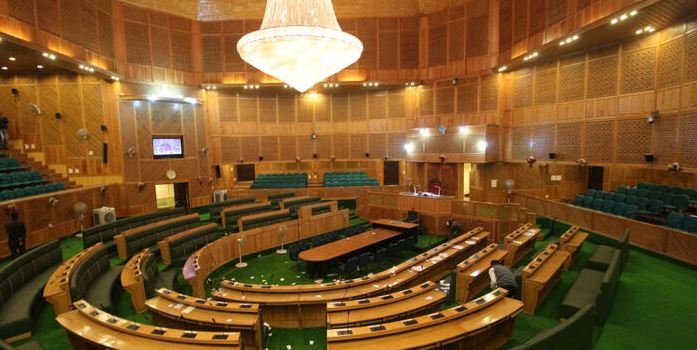
The move by the Committee on Ethics of the Jammu and Kashmir Legislative Assembly to prepare a Code of Conduct for legislators is a welcome step. People elect their representatives with trust, and that trust has to be protected through responsible behaviour, honest public service and respect for democratic institutions. A legislator is not only a political voice. He or she also carries the dignity of the House and the expectations of the people.
The Assembly is meant for debate, disagreement and strong discussion on public issues. Members must have the freedom to question the government, raise the concerns of their constituencies and speak firmly on matters that affect people. But that freedom must come with discipline. Strong debate should not turn into disorder. Sharp criticism should not become personal attack. Political difference should not weaken the dignity of the institution. A Code of Conduct can help draw that line clearly. It can guide members on how they should conduct themselves inside and outside the House. This should not be seen as a way to restrict political expression. It should be seen as a framework for better public life. A legislator can be tough without being disrespectful, critical without being unfair, and assertive without bringing down the standard of debate. The role of the Ethics Committee is important because it can help create a culture of responsibility among members. Ethics should not come into focus only after a controversy or complaint. It should be part of everyday legislative conduct. Public life cannot be improved through punishment alone. It needs awareness, training, discussion and a clear understanding that elected office is a responsibility, not a license for careless conduct. The proposal to hold an orientation programme for all MLAs is therefore useful. Such programmes should be practical and meaningful. They should cover Assembly rules, parliamentary behaviour, conflict of interest, use of public office, social media conduct, communication with officials, respect for dissent and responsibility towards citizens. Both new and experienced members can benefit from such learning because democracy also requires continuous self-correction. The Committee’s decision to study ethics mechanisms in other State Legislatures, as well as the Lok Sabha and Rajya Sabha, is also sensible. Jammu and Kashmir can learn from existing models, adopt best practices and shape a system that suits its own needs. Such study should be serious and focused, so that it leads to real improvement rather than becoming a routine exercise. The idea of consulting universities, civic institutions and experts is equally important. Public expectations have changed with time. Citizens now judge representatives not only by what they say in the House, but also by how they behave in public, how they speak on social media and how they respond to criticism. The conduct of a legislator does not end when the Assembly session ends. Public office follows the representative everywhere. At the same time, the Code of Conduct must be applied fairly. Ethics should never become a political weapon. If rules are used selectively, people will lose faith in the process. A strong ethics framework must apply equally to all members, regardless of party, position or political influence. Fairness will decide its credibility. Jammu and Kashmir’s Assembly has a special responsibility. It represents people with deep hopes, different concerns and strong expectations from democratic governance. Citizens want their representatives to speak boldly, but they also want maturity, dignity and seriousness. They want issues to be raised with force, but not through chaos. They expect leadership, not theatrics. If drafted carefully and implemented honestly, the Code of Conduct can strengthen the dignity of the Assembly and improve public confidence in democratic institutions. It should protect free debate while discouraging irresponsible conduct. It should guide members towards better standards, not silence them.
Public trust is the real strength of any elected House. Once that trust weakens, no rule book can fully restore it. The best way to protect the Assembly is for its members to honour it through their conduct. When legislators respect the House, they respect the people who sent them there. Ethical conduct is not a burden on democracy. It is what keeps democracy worthy of public faith.

