


Heavy Rain Triggers Landslide Threat in Rajouri-Poonch Belt, Authorities Issue High Alert in Border Districts
Continuous rainfall across Jammu division has raised concerns of landslides and flash floods, prompting evacuation advisories, road closures, and emergency preparedness measures in vulnerable mountainous regions.
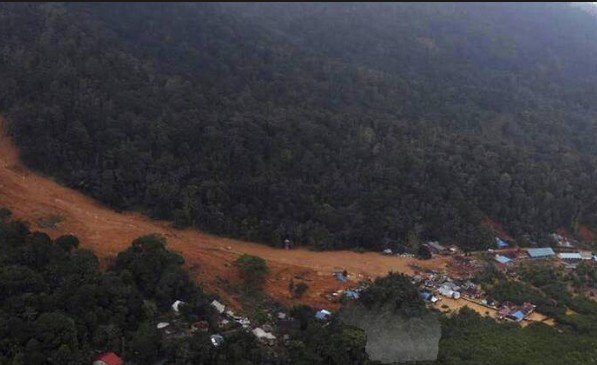
Jammu, July 2: Persistent heavy rainfall across parts of Jammu and Kashmir’s Rajouri and Poonch districts has triggered fresh concerns of landslides, road blockages, and flash flooding, prompting district administrations to issue high alerts and activate emergency response mechanisms in vulnerable areas. Officials said that continuous downpour over the past 48 hours has destabilized soil conditions in hilly terrain, raising the risk of slope failures along key road corridors connecting border villages.
The Meteorological Department has reported above-normal rainfall activity in the Pir Panjal range, with moisture-laden winds contributing to sustained precipitation across multiple zones. As a precautionary measure, authorities have issued advisories asking residents in low-lying and landslide-prone areas to remain vigilant and avoid unnecessary travel, particularly during nighttime hours when visibility and rescue response times are limited.
Road connectivity in several interior stretches of Rajouri and Poonch has been partially affected due to minor landslides and falling debris. The National Highway and several link roads have witnessed temporary disruptions, with earthmovers deployed to clear blocked passages and restore vehicular movement. Traffic police units have been stationed at key junctions to regulate flow and prevent accidents in affected zones.
Officials from the district administration confirmed that emergency control rooms have been activated to coordinate relief efforts and monitor real-time weather updates. Teams from the State Disaster Response Force (SDRF) and local police have been placed on standby, while additional manpower has been deployed in sensitive stretches known for recurring landslide incidents during monsoon periods.
In Rajouri district, several villages situated on steep slopes have reported minor damage to pathways and agricultural land due to soil erosion. Authorities have begun preliminary assessments to determine whether temporary relocation may be required in the most vulnerable pockets if rainfall intensity continues. Similar precautionary monitoring is underway in parts of Poonch, where narrow mountain roads often become inaccessible during heavy rains.
The administration has also instructed school authorities to review safety conditions, particularly in rural areas where students often travel long distances through hilly terrain. While no major casualties have been reported so far, officials stressed that the situation remains fluid and requires continuous monitoring as weather conditions may change rapidly.
Power supply disruptions have also been reported in scattered areas due to damage to transmission lines caused by falling trees and landslide debris. Electricity department teams are working to restore connectivity, though challenging terrain and ongoing rainfall are slowing repair efforts. Mobile connectivity in some remote areas has also experienced intermittent disruptions.
Local residents have expressed concern over the recurring nature of such weather-induced disruptions during monsoon months. Many villages in the Rajouri-Poonch belt are located in ecologically fragile zones where infrastructure development is limited and natural drainage systems are highly sensitive to heavy rainfall. Community members have urged authorities to strengthen preventive infrastructure, including retaining walls, slope stabilization measures and improved drainage channels.
Officials, meanwhile, have emphasized that the current alert is preventive in nature and that all necessary response mechanisms have been activated. They have also appealed to the public to avoid spreading rumours or unverified information on social media, particularly regarding landslide incidents or road closures, and instead rely on official updates issued by district control rooms.
The Jammu-Srinagar communication axis, which often bears the brunt of monsoon-related disruptions, remains under observation, though no major blockage has been reported on the main highway so far. Traffic movement is being regulated in coordination with weather updates to prevent congestion during vulnerable time windows.
Environmental experts have once again highlighted the growing impact of climate variability on the Himalayan ecosystem. They note that increasing frequency of intense rainfall events is putting additional stress on already fragile slopes, making landslides more frequent and less predictable. This has underscored the need for long-term mitigation strategies, including scientific slope mapping, regulated construction activity and improved early warning systems.
For now, authorities remain on high alert across the Rajouri-Poonch belt as rainfall continues intermittently. Disaster management teams are maintaining round the clock surveillance, while district officials are conducting continuous reviews of ground conditions. The situation is expected to remain sensitive until weather patterns stabilize in the coming days.
As Jammu and Kashmir enters another active monsoon phase, the focus remains firmly on preventing loss of life, ensuring quick response to emergencies, and maintaining essential connectivity in one of the most geographically challenging regions of the country.

