


Jammu Shines in Cleanliness
A city’s true progress is reflected not merely in its expanding infrastructure, modern buildings or economic activity, but in the cleanliness of its streets, the health of its environment and the dignity of everyday civic life. Jammu’s achievement of securing the second national rank in the Clean Himalayan City category at the Swachh Survekshan Awards 2025–26 is therefore a moment of considerable pride and encouragement. The recognition acknowledges sustained efforts towards improved sanitation, responsible waste management and public participation. More importantly, it offers an opportunity to reflect upon how cleanliness can become a permanent civic commitment rather than an achievement celebrated only during national assessments.
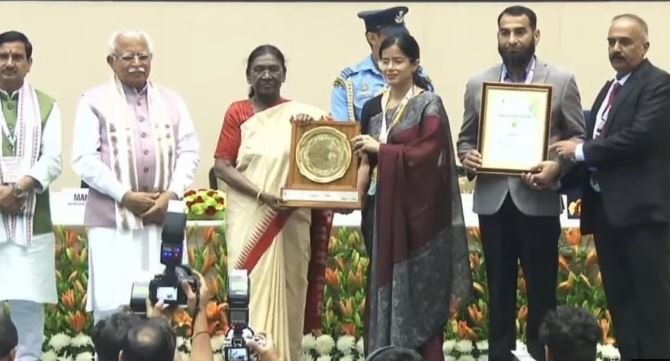
The recognition conferred at the national ceremony by President Droupadi Murmu highlights the importance of coordinated municipal efforts and citizen participation in transforming urban environments. Jammu Municipal Corporation’s initiatives involving door-to-door waste collection, four-stream segregation, reduction of single-use plastics and community cleanliness campaigns have contributed to this achievement. Such measures demonstrate that meaningful improvements become possible when administrative determination is supported by responsible public behaviour. For Jammu, popularly known as the City of Temples, cleanliness carries significance beyond civic appearance. The city welcomes pilgrims, tourists, traders and visitors throughout the year, making public hygiene essential to its identity, economic activity and hospitality. Clean roads, hygienic marketplaces, properly maintained public facilities and efficient waste disposal systems influence not only the experiences of visitors but also the health and well-being of local communities. The contribution of sanitation workers deserves particular recognition. Behind every clean neighbourhood and maintained public space are workers whose daily efforts often remain unnoticed. Their dedication forms the foundation of effective municipal services. Honouring their contribution must extend beyond public appreciation to ensuring adequate protective equipment, dignified working conditions, access to healthcare and opportunities for professional development. A city cannot claim meaningful sanitation progress without safeguarding those who sustain it. However, national recognition should encourage deeper examination rather than institutional satisfaction. Urban cleanliness remains a continuous challenge, particularly as population pressures, commercial expansion and changing consumption patterns increase waste generation. Segregation at source achieves limited benefits unless separately collected waste is subsequently transported, processed and recycled through dependable systems. The effectiveness of sanitation reforms must therefore be evaluated through measurable environmental improvements rather than collection figures or visible cleanliness alone. Another important consideration is the relationship between civic behaviour and municipal accountability. Citizens must avoid littering, reduce unnecessary plastic consumption and follow responsible waste disposal practices. Equally, municipal institutions must provide reliable collection services, maintain public infrastructure and respond promptly to complaints. Public participation becomes sustainable when people witness consistency, transparency and responsiveness in everyday services. Jammu’s achievement also offers valuable lessons for other urban centres across Jammu and Kashmir. Municipal institutions in smaller towns can benefit from exchanging practical experiences concerning waste segregation, community mobilisation and sanitation management. However, local strategies must reflect geographical conditions, available resources and the distinct requirements of individual communities. Environmental sustainability deserves equal attention. Waste reduction, scientific processing, protection of water bodies and expansion of green spaces must become interconnected priorities. Cleanliness cannot be separated from public health, environmental conservation or responsible urban planning.
Jammu’s national recognition must now become the driving force behind a more ambitious and sustained transformation, with Jammu Municipal Corporation translating this achievement into lasting progress through comprehensive ward-wise sanitation assessments, modern waste processing infrastructure, transparent monitoring of civic services and meaningful public participation to ensure that cleanliness becomes a permanent feature of everyday life. Regular cleanliness audits, improved grievance redressal and meaningful involvement of schools, traders, resident associations and civil society can strengthen community ownership. Greater investment in sanitation workers’ safety and welfare must remain an essential priority. Above all, Jammu should aspire to make cleanliness a shared habit rather than an occasional campaign. The greatest reward of this national achievement will not be another trophy or a higher ranking, but a city where every neighbourhood enjoys dependable sanitation, every worker receives dignity and every citizen takes pride in protecting the environment. That would represent a lasting victory for public health, civic responsibility and Jammu’s sustainable future.

