


Heritage as Our Collective Strength
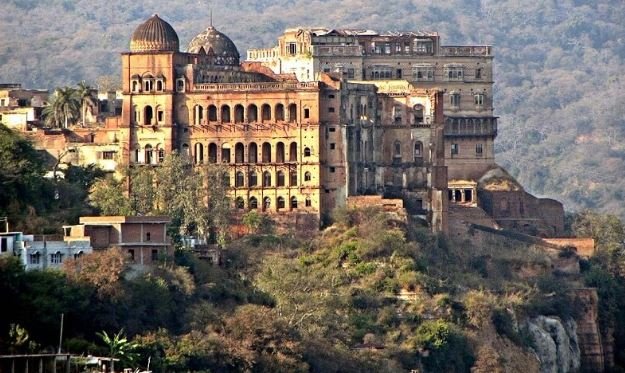
The cultural heritage of a society is not preserved merely by protecting ancient monuments or safeguarding historical manuscripts. It survives when people continue to understand, appreciate and practise the traditions, values and knowledge inherited from earlier generations. Jammu and Kashmir possesses an extraordinary civilizational legacy shaped by centuries of philosophical inquiry, spiritual wisdom, artistic creativity and cultural coexistence. Lieutenant Governor Manoj Sinha’s call for a people-centric movement to revive and preserve this inheritance is therefore both timely and significant. His emphasis on making heritage a living influence in society offers an opportunity to reconnect younger generations with their historical roots while strengthening the region’s rich traditions of learning, tolerance and mutual respect.
The national seminar on the revival and sustainability of Kashmir’s cultural heritage has drawn attention to the importance of preserving historical resources through coordinated institutional and community efforts. Conservation work initiated on 106 heritage projects during the first two phases, with more than 40 completed, reflects encouraging progress. The digitisation of nearly 96.8 lakh archival pages and identification of approximately 43,000 manuscripts under Mission Gyan Bharatam further demonstrate the remarkable depth of historical knowledge awaiting wider exploration. These initiatives deserve recognition, but their lasting contribution will depend upon how effectively preserved materials become accessible to society. A digitised manuscript holds limited public value if its contents remain unfamiliar to students and researchers. Similarly, a restored monument fulfils a greater purpose when visitors understand its history, architectural significance and relationship with the communities that shaped it. Conservation must therefore be accompanied by education, interpretation and opportunities for meaningful public engagement. Jammu and Kashmir’s cultural identity has evolved through the interaction of diverse traditions. The philosophical scholarship of Abhinavagupta, the spiritual teachings of Lal Ded and Nund Rishi, Dogri literary expressions, Sufi-Rishi traditions, Buddhist archaeological heritage and the region’s distinctive handicrafts collectively represent an inheritance of exceptional richness. The contributions of Kashmiri Pandits and other communities also form inseparable chapters of this shared history. Understanding these traditions encourages appreciation of the region’s cultural diversity and the values that have connected communities across generations. The restoration of Mubarak Mandi, conservation initiatives associated with Naranag and improvements to cultural institutions offer promising opportunities for strengthening historical awareness and responsible cultural tourism. However, conservation cannot end with restoration ceremonies. Heritage sites require regular maintenance, professional supervision, environmental protection and careful management of visitor activities. Without sustained attention, even substantial investments may struggle to deliver enduring benefits. Universities, schools and cultural organisations have an equally important role. Translating classical literature into accessible languages, encouraging local historical research and introducing students to museums and archaeological sites can make heritage education more engaging. Traditional musicians, artisans, storytellers and craftspeople should also receive institutional encouragement, since their skills preserve cultural knowledge that cannot always be captured adequately in written records. An important consideration is the need to make cultural preservation genuinely inclusive. Historical scholarship should encourage curiosity, honest inquiry and respect for different traditions rather than promote narrow interpretations of the past. Young people must be encouraged to explore their inheritance with confidence while recognising that cultural identities become stronger through understanding and exchange.
Preserving Jammu and Kashmir’s cultural heritage requires sustained cooperation among government institutions, universities, conservation experts and local communities. A comprehensive strategy should prioritise restoring historical monuments, creating accessible digital archives, translating classical literature, and providing meaningful support for traditional artisans. Educational institutions must encourage young people to explore local history, appreciate cultural diversity and learn from experienced cultural practitioners. Transparent implementation, adequate funding and regular maintenance are equally essential. Ultimately, cultural preservation must become a shared public responsibility. Its greatest achievement will be nurturing generations that respect their roots, celebrate harmony and carry forward their rich civilizational inheritance with pride.

