


Towards a Better Education System
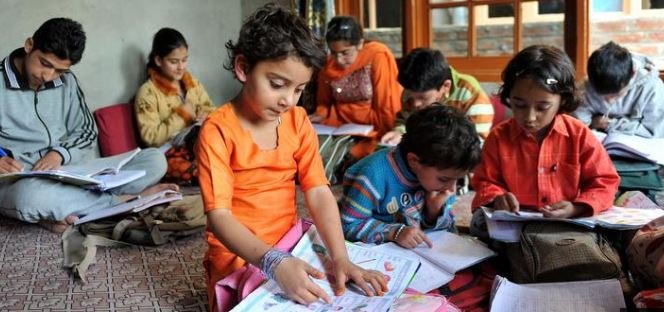
The real strength of an education system lies not in the promises contained in policy documents, but in the opportunities it creates for children to discover their abilities, develop independent thinking and build meaningful futures. Education must do more than prepare students for examinations. It should nurture curiosity, confidence, creativity and the capacity to respond wisely to life’s challenges. The National Education Conclave 2026, organised at the Government College of Education, Srinagar, has brought these important questions into focus. Its emphasis on implementing the National Education Policy 2020, strengthening teacher education and promoting competency-based learning offers an opportunity to reconsider how Jammu and Kashmir can make education more inclusive, practical and relevant to the aspirations of its younger generation.
The discussions at the conclave underline a fundamental reality: meaningful educational transformation begins in classrooms, not conference halls. NEP 2020 seeks to encourage experiential learning, critical thinking, interdisciplinary education and the overall development of learners. These objectives deserve sustained attention because the changing world increasingly demands abilities that extend beyond memorising textbooks and securing examination marks. However, their success depends upon how effectively educational institutions translate policy recommendations into everyday teaching practices. Jammu and Kashmir presents a distinctive educational landscape. While institutions in Jammu and Srinagar enjoy relatively better access to academic resources, many schools and colleges in remote areas of Chenab Valley, Pir Panjal, Kupwara and other mountainous regions face challenges involving infrastructure, connectivity and professional support. Educational reforms must therefore recognise geographical and socioeconomic differences. Equal opportunity cannot be achieved merely by introducing identical academic frameworks; it requires providing every institution with the resources necessary to implement them effectively. Teachers occupy the most important position in this process. Their responsibilities are gradually expanding from delivering classroom instruction to mentoring students, encouraging inquiry and supporting individual development. Yet genuine teacher empowerment demands continuous professional training, access to modern educational resources and sufficient freedom to adopt innovative teaching methods. A motivated teacher, supported by a responsive institution, can often make a greater difference than expensive infrastructure that remains inadequately utilised. The growing influence of artificial intelligence adds another dimension to educational reform. Digital technologies can enrich learning, widen access to educational materials and encourage innovation. Nevertheless, technology must strengthen rather than replace human understanding. Students need the ability to examine information critically, distinguish reliable knowledge from misleading content and apply digital tools responsibly. Educational institutions should therefore promote technological literacy alongside ethical reasoning, creativity and independent judgment. The emphasis on competency-based education and Holistic Progress Cards is equally encouraging. Traditional examinations cannot always capture the full range of a learner’s abilities. Communication skills, practical understanding, problem-solving, emotional maturity and creative expression deserve recognition alongside academic performance. However, assessment reforms must remain transparent, practical and sensitive to the workload of teachers. Their purpose should be to understand and support learners rather than introduce additional administrative complexity. Higher education institutions also need stronger connections with the communities they serve. Jammu and Kashmir’s agriculture, horticulture, tourism, handicrafts and environmental challenges offer valuable opportunities for practical research, internships and community-based learning. When students engage with local problems, education becomes more meaningful and develops a stronger relationship with employment, entrepreneurship and social progress. One important lesson emerging from the conclave is that educational excellence cannot be sustained through institutional reforms alone. It requires cooperation among teachers, parents, administrators and communities, supported by regular evaluation and a willingness to address shortcomings constructively.
Finally, schools and universities should encourage practical learning, strengthen research opportunities and regularly seek feedback from students and educators. Special attention must reach remote and economically disadvantaged communities. Above all, education should help every child recognise individual potential rather than become confined by circumstances. The greatest achievement of these reforms will not be measured by new policies or institutional rankings, but by the emergence of confident, thoughtful and capable young people.

