


Kashmir’s Water Heritage
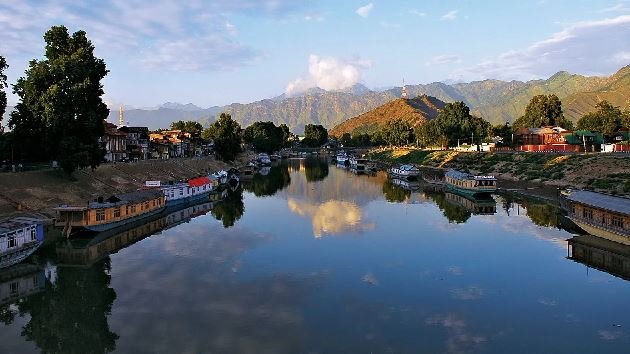
Kashmir’s lakes are not ordinary water bodies. They are the soul of Srinagar, the pride of the Valley and a vital part of Jammu and Kashmir’s ecological and cultural identity. Dal, Nigeen, Khushalsar and Gilsar have supported tourism, livelihoods, biodiversity and public life for generations. Their protection cannot be treated as a routine departmental task. It is a serious responsibility that demands science, discipline, honesty and urgency.
The review of lake conservation initiatives by Chief Minister Omar Abdullah is therefore an important intervention. It comes at a time when these fragile water bodies are under constant pressure from pollution, sewage inflow, encroachments, weed growth, waste dumping and unplanned urban expansion. These problems have not appeared overnight, and they will not disappear through symbolic cleaning drives. The situation requires long-term planning, strong enforcement and coordinated action on the ground. For too long, lake conservation has often been reduced to surface-level activity. Removing weeds and cleaning visible waste may create temporary relief, but it cannot restore a dying ecosystem. A lake survives only when its water quality is protected, its catchment is secured, sewage inflow is stopped, encroachments are checked and surrounding communities are made partners in preservation. The focus on the Integrated Management Plan for the Dal-Nigeen ecosystem, sewerage infrastructure, eco-development of lake hamlets and lake cleaning operations is welcome, but the real test will be implementation. The Chief Minister’s emphasis on scientific planning and institutional coordination must be taken seriously. Lake conservation cannot succeed if departments function separately and shift responsibility from one office to another. The Lake Conservation and Management Authority, Housing and Urban Development, Forests, Environment and Ecology, municipal agencies, finance authorities and district administration must work as one system. A fragile lake cannot wait for files, approvals and delayed decisions. Dal and Nigeen often receive the most public attention because of their tourism value, but Khushalsar and Gilsar deserve equal urgency. These lakes are part of Srinagar’s larger ecological network and have suffered heavily due to neglect and pollution. Their revival can improve urban drainage, restore biodiversity, reduce environmental stress and bring back public confidence in conservation efforts. Ignoring them would be a serious mistake. The modernization of sewerage management systems must become a priority, not a proposal that keeps moving between meetings. No conservation plan can succeed if untreated sewage continues to enter the lakes. Sewerage treatment, drainage networks, solid waste management and regular water testing must work together. Environmental safeguards should not be seen as procedural hurdles. They are the minimum protections required to prevent further damage. At the same time, lake conservation must remain humane and practical. People living around lake areas have livelihood and housing concerns, and these cannot be brushed aside. But public sensitivity does not mean weakness against violations. Illegal dumping, encroachment and pollution must be dealt with firmly. The administration must be fair with people, but uncompromising with activities that damage the lake ecosystem. Regular monitoring is another critical requirement. Review meetings must not end with minutes and assurances. Citizens should see visible progress in cleaner water, better sewage management, controlled waste disposal, protected lake boundaries and improved ecological health. If deadlines are missed, responsibility must be fixed. Conservation cannot survive on vague promises. Kashmir’s lakes are living ecosystems. They support tourism, generate livelihoods, regulate the urban environment and preserve the natural beauty of Srinagar. If they are allowed to decline further, the loss will not be only environmental. It will be economic, cultural and emotional as well.
The government must now act with firmness and clarity. Scientific plans must become field action, departments must coordinate without delay, and public cooperation must be backed by strict enforcement. Protecting Dal, Nigeen, Khushalsar and Gilsar is not only about saving water bodies. It is about saving the character, dignity and future of Kashmir itself.

