


LNG Tanker Traffic Through Strait of Hormuz Picks Up Amid Energy Market Watch
Fresh vessel movement data points to a tentative revival in gas carrier traffic through the Gulf chokepoint even as security risks in the Middle East keep energy markets on edge
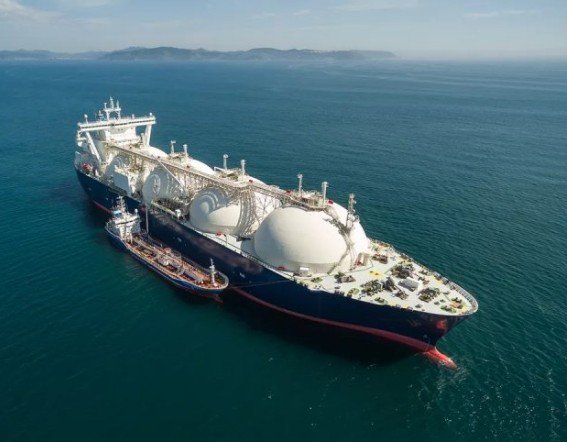
US, Jul 10: Commercial traffic of liquefied natural gas carriers through the Strait of Hormuz has begun to pick up again, indicating a measured return of shipping activity along one of the world’s most strategically important energy passages even as the region remains gripped by military tensions.
Recent vessel tracking information from maritime data platforms showed that several LNG carriers have resumed passage through the narrow waterway after movements had slowed in the aftermath of attacks linked to the Iran conflict and the subsequent escalation involving the United States. The latest movements are being watched closely by energy traders, shipping firms and governments because the Strait of Hormuz is a crucial route for crude oil and LNG exports from the Gulf to major markets in Asia and beyond.
The renewed transit activity suggests that some operators are gradually regaining confidence to send ships through the corridor, though the pace of return remains cautious and closely tied to the evolving security picture in the region. Even a limited restoration of LNG traffic is significant because the waterway is a vital artery for global gas trade, particularly for cargoes originating in Qatar, one of the world’s leading LNG exporters.
Tracking data indicated that at least five LNG vessels in ballast condition have moved into the Strait in recent days. Among the ships identified in the latest movement pattern were the GasLog Shanghai, managed by Greek shipowner GasLog, along with four vessels associated with QatarEnergy Al Samriya, Al Dafna, Al Gattara and Al Rayyan. Their return to the route is being seen as a sign that some shipping operators are reassessing risk and resuming voyages that had either slowed or paused amid heightened fears over maritime security.
Available movement records suggested that GasLog Shanghai and Al Rayyan likely entered the Strait during the night after both had earlier been located outside the waterway on July 9. The other QatarEnergy-linked vessels had previously been observed near India’s western coastline, indicating that they had remained outside the Gulf zone for some time before turning back toward the Strait. Shipping records showed Al Samriya and Al Gattara in the waters off India around June 18 and 19, while Al Dafna had last been seen in the area on June 29.
The return of these vessels comes after a period of disruption triggered by attacks on commercial shipping and retaliatory military action that raised fears of a wider conflict in the Gulf. The Strait of Hormuz, which connects the Persian Gulf to the Gulf of Oman and the Arabian Sea, is among the most sensitive maritime chokepoints in the world. A substantial share of global oil exports and a major portion of LNG cargoes move through the passage, making it central to energy security for import-dependent economies.
Any disruption to the route immediately reverberates through global markets. Concerns over vessel safety, insurance costs, freight rates and possible delays can quickly affect oil and gas prices, especially when tensions coincide with already fragile geopolitical conditions. In the latest episode, the slowdown in shipping followed Iranian attacks on commercial vessels and subsequent U.S. strikes on Iranian targets, prompting shipowners and charterers to reassess whether it was prudent to continue routing tankers through the Strait.
The reappearance of LNG carriers on the route does not mean those concerns have disappeared. Instead, it reflects a more cautious calculation by operators that the waterway, while still risky, may be navigable under tightly monitored conditions. Shipping companies typically rely on a mix of naval advisories, intelligence updates, insurance assessments, charter commitments and port schedules before deciding whether to send vessels into a conflict-prone zone. The decision to re-enter Hormuz is therefore likely to have been taken only after weighing both commercial pressure and security exposure.
At the same time, not all shipping operators are moving in the same direction. Japan’s transport ministry said the number of Japan-linked vessels in the Gulf has fallen sharply over the past few days, underscoring that caution still dominates fleet deployment decisions. According to Japanese authorities, 22 Japan-connected ships, including six very large crude carriers, transited the Strait and left the Gulf between July 7 and July 9, effectively reducing the country’s shipping footprint in the region.
Japanese Transport Minister Yasushi Kaneko said only four Japan-linked vessels remain in the Gulf at present, a steep drop from the much larger presence recorded earlier in the conflict period. Data cited by the Japanese Shipowners’ Association showed that at the beginning of the regional crisis, around 45 Japan-linked vessels with roughly 1,100 crew members were operating in the Gulf. That number has now shrunk to only four vessels carrying about 100 crew members, reflecting a major drawdown in exposure to the volatile maritime zone.
The Japanese government did not disclose the exact safety protocols or navigational measures being adopted for ships linked to the country, citing security reasons. But the reduction in fleet presence suggests that some shipowners and charterers continue to favour minimising risk until the military situation becomes more predictable. This divergence — with some LNG carriers returning while others scale back operations — highlights the uncertainty still surrounding commercial navigation through the Strait.
For the LNG market, however, even a partial revival in tanker movement is important. Qatar accounts for a large share of global LNG exports, and its cargoes are essential for energy buyers in Asia, Europe and other regions. If LNG vessels were to remain stranded outside the Gulf or avoid Hormuz for a prolonged period, the resulting delays could tighten supply chains, disrupt delivery schedules and add fresh volatility to gas prices. The movement of Qatar-linked vessels back toward the Strait is therefore being read as a sign that exporters and shipping operators are attempting to restore a degree of normality, even if only gradually.
Energy markets have been highly sensitive to developments in the Gulf because the Strait of Hormuz is not just another shipping lane; it is a geopolitical pressure point with direct consequences for oil and gas availability. Any perception that the route could be blocked, targeted or made too dangerous for insurers and crews can trigger immediate concern among importers. Asian countries, which depend heavily on Gulf energy supplies, are particularly vulnerable to prolonged instability in the passage.
India, Japan, South Korea and China all have major stakes in the continued functioning of Hormuz because of their reliance on crude and gas shipments from Gulf producers. For LNG buyers, the risk is especially acute when summer demand is elevated or inventories are being replenished ahead of winter. A serious interruption in LNG sailings could force importers to scramble for alternative cargoes, bid up spot prices and rearrange procurement strategies.
The latest vessel movement data therefore offers a measure of reassurance, but not a return to business as usual. Operators appear to be testing the route in limited numbers rather than restoring full-scale shipping patterns. Much will depend on whether the security environment stabilises in the coming days and whether there are any fresh attacks, military escalations or official advisories that alter risk calculations.
The strategic importance of the Strait of Hormuz also means governments are tracking not just cargo volumes but crew safety and maritime exposure. The reduction in Japan-linked vessels suggests that national authorities and shipping groups remain deeply concerned about the welfare of seafarers operating in the area. Crews on commercial ships often become the invisible front line of geopolitical crises, navigating dangerous waters while facing the possibility of attacks, detentions or emergency diversions. For many shipowners, decisions about transit are therefore not only commercial but also humanitarian and reputational.
The cautious return of LNG carriers may also have implications for freight markets. During periods of conflict, tanker rates can spike as shipowners demand higher compensation for entering risky waters, while insurers may impose steep war-risk premiums. If more vessels begin moving through Hormuz again and the threat level eases, freight costs could stabilise somewhat. However, if the region remains volatile, the economics of each voyage will continue to be shaped by security considerations as much as by supply-demand fundamentals.
Another key issue is how long exporters can tolerate disruption before cargo schedules begin to unravel. LNG trade operates on a tight chain of production, loading windows, vessel availability and delivery commitments. Even temporary delays can create knock-on effects for terminals, buyers and downstream utilities. The return of a handful of vessels may help prevent a broader bottleneck, especially for Qatar-linked shipments, but the shipping industry will remain highly sensitive to any signal that conditions are deteriorating again.
For now, the pattern emerging from the latest data is one of guarded re-entry rather than full recovery. Some LNG tankers are once again moving through the Strait of Hormuz, suggesting that operators believe passage is possible under current conditions. Yet the simultaneous withdrawal of many Japan-linked vessels from the Gulf shows that the maritime industry is still navigating the crisis with extreme caution.
The coming days will be critical in determining whether this limited resumption turns into a broader restoration of traffic or remains a fragile, stop-start response to shifting geopolitical risks. If the security situation improves, LNG sailings through Hormuz could normalise more quickly, easing pressure on global gas supply chains. If hostilities flare again, shipowners may once more retreat from the route, reviving fears of energy disruption.
For global markets, the Strait of Hormuz remains a live barometer of geopolitical risk. Every tanker entering or avoiding the waterway sends a signal about how shipping companies, exporters and governments are reading the conflict. The latest movements suggest that the LNG trade is trying to inch back toward normal operations — but only with one eye firmly fixed on the horizon.

