


Trump Highlights Record on Global Conflicts, Previews Talks with Russia and Ukraine
US President discusses international diplomacy, recent peace efforts, and upcoming meetings with Presidents Putin and Zelenskyy to revive stalled negotiations.
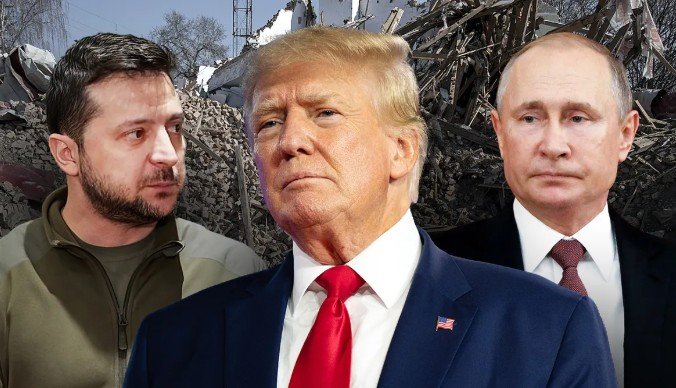
Washington, Oct 17: US President Donald Trump outlined his administration’s approach to international diplomacy, highlighting his record on global conflicts and upcoming meetings with world leaders, including Russian President Vladimir Putin and Ukrainian President Volodymyr Zelenskyy.
Speaking from the Oval Office, Trump said, “We have now done (resolved) 8 wars, and we will make this number 9,” emphasizing his broader efforts to promote global peace.
On diplomatic engagements, he noted that Secretary of State Marco Rubio will meet with Russian Foreign Minister Sergey Lavrov in the coming weeks. Trump confirmed a productive phone call with President Putin, calling it “very productive” and noting that Putin congratulated the US on its peace accomplishments in the Middle East, which Trump believes will aid negotiations to end the Russia-Ukraine war.
Trump also announced plans for a direct meeting with Putin in Budapest, Hungary, to explore ways to resolve the ongoing conflict. “President Putin and I will then meet in an agreed upon location… to see if we can bring this ‘inglorious’ war to an end,” he said.
Regarding Ukraine, Trump confirmed he will meet President Zelenskyy at the White House to discuss the recent call with Putin and other matters. He emphasized the strategic shift in US policy following the Alaska summit, including increased intelligence sharing with Ukraine and the potential provision of long-range Tomahawk missiles if Russia fails to engage seriously in peace talks.
Trump also highlighted discussions on US-Russia trade and praised First Lady Melania Trump’s humanitarian efforts, which Putin acknowledged.
The upcoming meetings aim to revive stalled negotiations and explore concrete steps toward ending the Russia-Ukraine conflict, while balancing US strategic interests and regional stability.

