


US-China Media Tensions Escalate as Trump Revokes Xinhua Journalist’s Visa
Move marks a rare direct retaliation by Washington as tensions over media access and press credentials deepen between the United States and China.
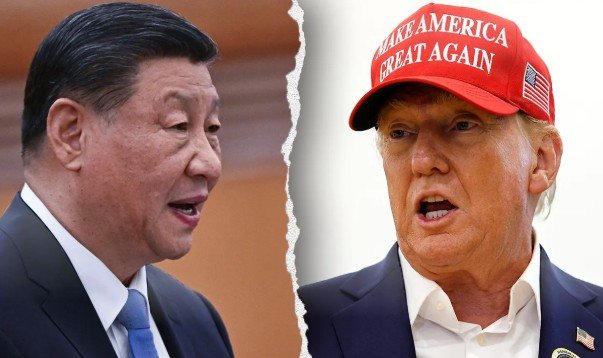
WASHINGTON, May 30: The Trump administration has revoked the visa of a Chinese journalist employed by Xinhua News Agency in what officials described as a reciprocal response to Beijing’s recent expulsion of a correspondent from The New York Times.
A person familiar with the matter confirmed that the visa of the Xinhua employee had been cancelled, while a State Department official acknowledged plans for the revocation. The move follows China’s decision to expel Vivian Wang, a longtime China-based reporter for The New York Times.
The diplomatic response represents a rare instance of Washington directly retaliating against Beijing over the treatment of foreign journalists. Chinese authorities reportedly linked Wang’s expulsion to comments made during a New York Times DealBook event featuring Taiwanese leader Lai Ching-te, despite Wang having no involvement in the interview.
The New York Times criticized Beijing’s decision and urged both governments to restore media access. Executive Editor Joseph Kahn said the removal of Wang would further restrict independent reporting from China at a time when understanding the country’s policies and economy remains crucial.
The incident has renewed concerns about shrinking press freedom and access for foreign correspondents in China. Media organizations have repeatedly warned that the number of American journalists permitted to work in the country has fallen sharply following years of visa disputes and diplomatic tensions.
The controversy stems from a DealBook Summit interview in which Lai discussed security issues in the Taiwan Strait and Taiwan’s efforts to safeguard its autonomy. Beijing, which claims Taiwan as part of its territory, reacted strongly to the event.
The latest dispute has also unsettled other international news organizations, which fear that coverage involving Taiwan could invite restrictions on their reporting activities within China.
Foreign journalists in China are required to obtain accreditation from the Chinese Foreign Ministry, which has frequently used visa and credential policies to limit reporting it considers unfavorable. Similar measures were taken in 2020 when several reporters from major American newspapers were expelled amid worsening bilateral relations.
That same year, Washington designated several Chinese state-run media organizations, including Xinhua, as foreign missions, arguing that they function as instruments of the Chinese state. Beijing responded by tightening visa rules for journalists from U.S. news outlets.
Although the two countries later reached an arrangement allowing a limited number of correspondents to operate in mainland China, the latest visa dispute signals renewed strain in media relations between the world’s two largest economies.

