


US Pushes Sweeping Russia Sanctions Again; India May Be Caught in 500% Tariff Crossfire
Bipartisan US senators say revised Russia sanctions legislation is nearing rollout, with proposed measures targeting countries that continue importing Russian oil and gas.
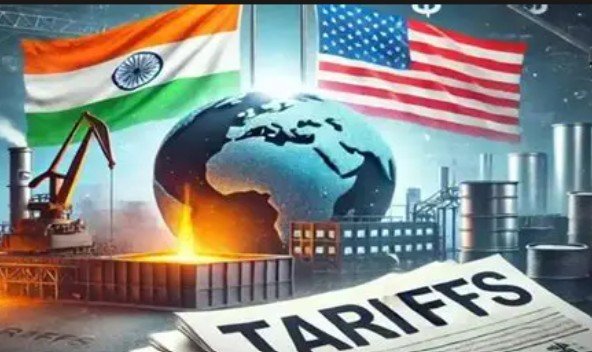
Washington, July 11 : A renewed push by US lawmakers to tighten economic pressure on Russia has sparked fresh concerns for countries importing Russian energy, including India. A bipartisan group of American senators has announced that it has reached an understanding with the Trump administration to move forward with an updated Russia sanctions bill that could introduce steep tariffs on imports from nations purchasing Russian oil and natural gas.
The proposed legislation, known as the Sanctioning Russia Act of 2025, is designed to increase financial pressure on Moscow by targeting countries that continue to maintain significant energy trade with Russia. According to the senators, the revised bill is expected to be introduced in the near future following discussions with the administration.
In a joint statement, Republican senators Lindsey Graham and Roger Wicker, along with Democratic senators Richard Blumenthal and Jeanne Shaheen, described the development as a major step toward advancing the legislation.
The lawmakers said they had reached an agreement with the administration to proceed with the updated proposal, expressing confidence that the bill would be presented soon.
Proposal Includes High Tariffs
One of the most closely watched provisions of the proposed legislation is the introduction of tariffs on goods imported from countries that continue purchasing Russian oil and natural gas. The bill proposes tariffs of up to 500 per cent on imports from such nations as part of a broader strategy to reduce Russia’s energy revenues.
Supporters of the legislation argue that restricting energy revenues remains one of the most effective ways to increase economic pressure on Moscow. Senator Richard Blumenthal has previously described the proposed measures as among the strongest economic tools considered by the US Congress.
Waiver Provision Included
Despite its tough approach, the legislation contains a flexibility clause allowing the US President to temporarily waive the sanctions for up to 180 days if doing so is considered necessary for America’s national security interests.
This provision is expected to provide diplomatic room for negotiations with partner countries while retaining the broader objective of discouraging purchases of Russian energy.
India Closely Watching Developments
India is expected to monitor the progress of the proposed legislation carefully. Since 2022, India has significantly increased imports of discounted Russian crude oil, helping domestic refiners secure stable supplies while managing energy costs.
Indian officials have consistently maintained that the country’s energy procurement decisions are guided by national requirements, affordability and energy security. New Delhi has also emphasized that it complies with international obligations while pursuing a diversified energy sourcing strategy.
Political Signals From Washington
Several US lawmakers have repeatedly urged countries purchasing Russian oil to reduce their dependence on Moscow. Senator Lindsey Graham has previously warned that nations continuing large-scale Russian energy imports could face economic consequences if the proposed legislation becomes law.
The latest announcement signals growing bipartisan support in Washington for stronger economic measures aimed at limiting Russia’s energy income, although the legislation must still complete the Congressional process before becoming law.
Economic Implications
If enacted in its current form, the bill could influence global energy markets and trade relations, particularly for countries that remain major importers of Russian crude. Analysts note that the waiver mechanism may play an important role in determining how the legislation is implemented and whether strategic partners receive temporary exemptions.
For India, the immediate impact remains uncertain, as the proposal has not yet become law. However, the development adds another layer of complexity to global energy diplomacy at a time when geopolitical tensions and supply concerns continue to shape international oil markets.
As discussions continue in Washington, governments and businesses across the world will closely track the progress of the proposed sanctions and assess their potential implications for global trade, energy security and diplomatic relations.

