


RBI Holds Key Interest Rate, Unveils Measures to Support Rupee Amid Global Uncertainty
Central bank prioritizes financial stability as currency pressures, rising oil prices, and geopolitical risks weigh on the Indian economy.
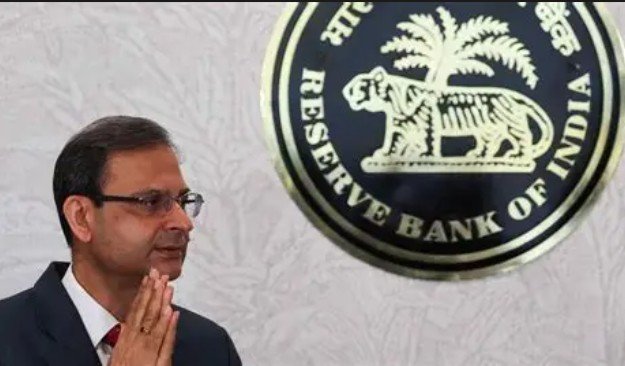
India, June 05 : The Reserve Bank of India (RBI) on June 5 kept its benchmark repo rate unchanged, signaling a cautious approach as the country faces currency volatility, inflationary pressures, and global economic uncertainty. The decision was closely watched by investors, businesses, and financial markets amid growing concerns over the weakening rupee and elevated crude oil prices.
The central bank maintained the repo rate at 5.25 percent while simultaneously announcing a series of measures aimed at attracting foreign capital and stabilizing the domestic currency. Policymakers emphasized that supporting growth remains important, but protecting macroeconomic stability has become equally critical due to external risks.
The Indian rupee has remained under pressure in recent months, largely due to higher energy costs, foreign portfolio outflows, and uncertainty linked to geopolitical tensions in West Asia. Rising oil prices have increased India’s import bill and raised concerns about inflation, particularly because the country imports a significant portion of its energy requirements.
To address these concerns, the RBI announced initiatives designed to encourage fresh dollar inflows. These include incentives for foreign investors and measures intended to strengthen non-resident deposit schemes. Economists believe these steps could help ease pressure on foreign exchange reserves while supporting market confidence.
The central bank also revised its inflation forecast upward to 5.1 percent while lowering its growth projection for the current financial year. Officials cited global uncertainty, commodity price fluctuations, and weather related risks as major factors influencing the outlook.
Industry leaders welcomed the RBI’s balanced approach. Business groups argued that maintaining borrowing costs at current levels will provide relief to companies navigating a challenging economic environment. At the same time, analysts noted that future rate increases cannot be ruled out if inflation accelerates further.
Market participants interpreted the decision as an effort to buy time while monitoring developments in global markets. Several economists suggested that the RBI may reassess its policy stance later in the year depending on inflation trends and the trajectory of the rupee.
For businesses, the policy announcement reinforces the importance of managing currency risks and maintaining financial discipline. Exporters may benefit from a weaker rupee, while import dependent sectors could face additional cost pressures.
The RBI’s latest move highlights the delicate balancing act facing policymakers as they seek to sustain growth while protecting the economy from external shocks. The coming months are expected to test the resilience of both India’s financial system and its broader economic recovery.

