


Youth to World Workforce
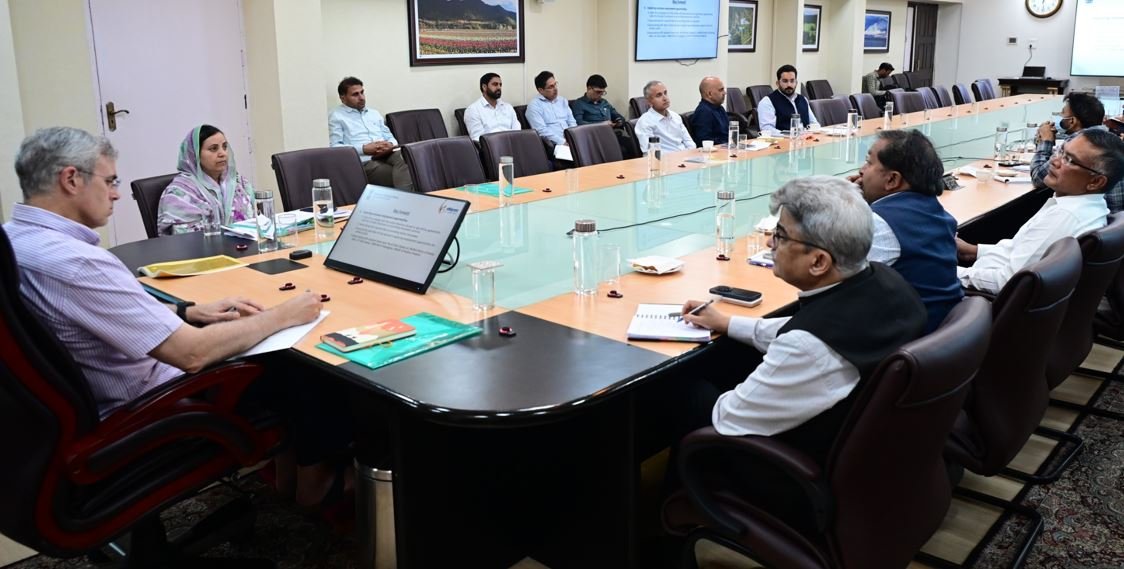
The proposed revival of the Jammu and Kashmir Overseas Employment Corporation Limited has the potential to become one of the most meaningful employment reforms for the Union Territory. At a time when thousands of educated and skilled young people aspire to secure better opportunities beyond the country’s borders, the need is not simply to facilitate overseas migration but to create a reliable institutional framework that ensures every aspiring worker leaves with the right skills, legal protection and professional confidence. If implemented with commitment, JKOECL can become a bridge between the aspirations of Jammu and Kashmir’s youth and the growing demand for skilled professionals across the world.
Global labour markets today are undergoing rapid transformation. Countries across Europe, the Gulf, East Asia and other regions are actively seeking qualified workers in healthcare, construction, hospitality, information technology, logistics, manufacturing and skilled trades. Jammu and Kashmir possesses an energetic and educated youth population capable of meeting this demand. Yet, despite this enormous potential, many young people continue to struggle due to inadequate guidance, limited access to authentic information and the persistent threat posed by fraudulent recruitment networks. This gap cannot be ignored any longer. It demands a strong and accountable public institution that protects young job seekers while opening legitimate international employment avenues. The government’s decision to reposition JKOECL as the nodal agency for overseas employment is therefore a timely and welcome intervention. However, reviving an institution should never become an exercise confined to files and official meetings. It must result in measurable outcomes that reach every district, every training centre and every deserving youth. The institution should become the first point of trust for every candidate seeking employment abroad through transparent procedures, verified employers and legally recognised recruitment channels. The Chief Minister’s assertion that Jammu and Kashmir should send skilled people rather than merely sending people abroad reflects the central challenge before policymakers. The international job market rewards competence, certification and professionalism. Employers today seek individuals who possess technical expertise, communication skills, language proficiency, digital literacy and the ability to adapt to diverse working environments. This reality makes skill development the foundation of overseas employment. Without internationally recognised training and certification, opportunities will remain limited regardless of the availability of vacancies. Equally significant is the proposal to introduce foreign language training, international certification programmes, counselling services, pre-departure orientation and post-placement support. These are not supplementary services but essential safeguards that prepare workers for success while protecting them from exploitation. A young person travelling abroad should understand employment contracts, labour rights, workplace culture, financial responsibilities and legal remedies. A responsible government cannot simply facilitate departure. It must ensure that its citizens remain protected throughout their professional journey. The proposed digital overseas employment portal also deserves careful attention. If developed efficiently, it can become a transparent platform providing verified vacancies, employer credentials, eligibility criteria, recruitment timelines and grievance redressal mechanisms. Such a system can reduce dependence on misleading advertisements and unverified social media claims that often trap vulnerable job seekers. Transparency should become the defining feature of every stage of overseas recruitment. The decision to learn from successful models developed by states such as Kerala and Tamil Nadu is equally encouraging. Their experience demonstrates that well-structured overseas employment systems can generate stable remittances, enhance household incomes and contribute significantly to regional economic growth. Jammu and Kashmir has the human potential to achieve similar success, provided its institutions function with professionalism, accountability and continuity. The forthcoming industrial policy should also view skill development as an economic investment rather than a welfare measure. Dedicated training institutions, stronger partnerships with industry, internationally accredited certification programmes and greater participation by the private sector should become integral components of the employment ecosystem. Skill development must remain closely connected to actual market demand instead of producing qualifications that offer little employment value.
The revival of JKOECL should ultimately be measured not by the number of offices established or programmes announced, but by the number of young people who secure safe, dignified and rewarding careers through legal and transparent channels. More importantly, it can empower the youth of Jammu and Kashmir to compete confidently on the global stage while ensuring that every opportunity abroad is built upon skill, dignity and trust.

