


Messi Sparks Stunning Argentina Comeback Against Egypt to Send Holders into World Cup Quarter-finals
Lionel Messi led from the front as Argentina overturned a two-goal deficit in a dramatic late surge against Egypt, keeping the defending champions alive in the FIFA World Cup 2026 and setting up a blockbuster quarter final run.
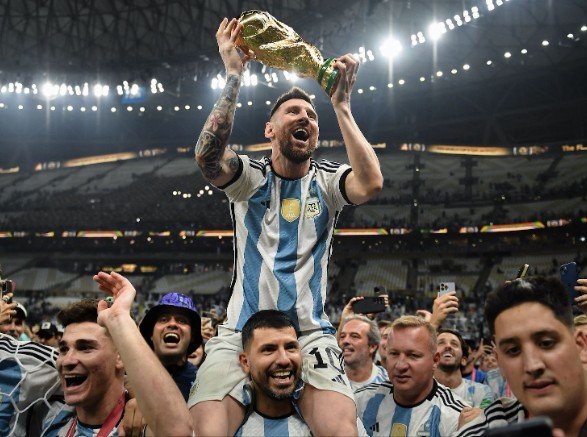
Argentina, July 08 : Argentina produced one of the most dramatic turnarounds of the FIFA World Cup 2026 on 7 July, storming back from two goals down to defeat Egypt 3-2 in a breathtaking Round of 16 clash and book their place in the quarter-finals. In a match that seemed to be slipping away from the defending champions for long stretches, Lionel Messi once again rose to the occasion, inspiring a late revival that underlined why Argentina remain one of the most dangerous teams in the tournament.
For more than an hour in Atlanta, the reigning world champions looked rattled, second-best and on the brink of a stunning exit. Egypt, organised, fearless and tactically sharp, had built a two-goal cushion and were within touching distance of one of the greatest knockout upsets in modern World Cup history. But football at this level often turns on moments of belief, leadership and composure under pressure. Argentina found all three in the final phase of the contest, and when the dust settled, it was Messi and company who were celebrating a remarkable escape act.
The contest had all the ingredients of a classic knockout fixture. Egypt came into the match with a clear plan: frustrate Argentina’s possession game, attack space on transitions and test the defending champions’ nerve. From the opening whistle, they showed they had no intention of simply sitting back. Their pressing was aggressive, their midfield shape compact and their transitions carried real menace. Argentina, by contrast, struggled to settle. Their passing lacked rhythm, their defensive line looked vulnerable when stretched, and the usual fluency in the final third was missing.
Egypt’s belief was rewarded when they struck first, stunning the Argentine camp and energising the neutral crowd. The opening goal was a product of direct attacking intent and exposed an Argentine backline that appeared uncertain under pressure. With Argentina forced to chase the game, Egypt sensed vulnerability and continued to push. Rather than retreating into a defensive shell, they remained bold, and their second goal only deepened the pressure on the South Americans.
At 2-0 down, the champions were staring at disaster. Questions that often surface when elite teams are pushed to the brink began to gather around Argentina. Had they underestimated Egypt? Were the legs heavy? Was this the moment their title defence unravelled? For long periods, Egypt’s structure denied Messi space between the lines and forced Argentina into hopeful balls and hurried attacks. The frustration was visible. Every misplaced pass, every blocked cross and every delayed decision seemed to tighten the tension around the Argentine side.
Yet elite tournament teams are defined not by how comfortable they look when in control, but by how they respond when everything starts to go wrong. Argentina did not panic completely, even if they were clearly shaken. They kept probing, kept searching and slowly found the cracks that had seemed impossible to locate earlier in the evening. The turning point was not just tactical; it was emotional. Once the first goal came, belief surged through the side and doubt began to creep into Egypt’s defending.
Cristian Romero ignited the comeback with the goal that shifted the momentum of the match. More than just a reduction of the deficit, it transformed the psychological landscape of the contest. Suddenly, Argentina had a route back, and Egypt had something new to protect. The defending champions, who had looked disjointed for much of the game, began to play with urgency and conviction. The passes became sharper, the movement more purposeful and the crowd more engaged.
And then came Messi.
If there is one enduring image from Argentina’s modern football era, it is of Messi refusing to let a game drift away when the stakes are highest. His equaliser was not just technically important; it was emotionally decisive. In a moment of clarity amid the chaos, the Argentine captain delivered exactly what his team required. The goal brought the score to 2-2, but its significance went far beyond the numbers. It felt like the restoration of order, the reminder that as long as Messi is on the pitch, Argentina are never entirely out of a contest.
Egypt, who had spent so much of the evening executing their plan with discipline, now found themselves under a wave of pressure they could not fully contain. The same confidence with which they had attacked earlier was replaced by the burden of survival. Their lines dropped deeper, the clearances became more desperate and Argentina sensed blood. The energy had flipped entirely. What once looked like a composed Egyptian march into the quarter-finals had become a test of resistance against a champion side surging with momentum.
The winner, when it came, completed the turnaround in extraordinary fashion. Enzo Fernández applied the decisive touch to cap a three-goal swing in the final stages, turning despair into ecstasy for Argentina. The bench erupted, the supporters roared and the players collapsed into celebration, knowing they had escaped one of the most dangerous nights of their title defence. It was not just a winning goal; it was a statement of survival, resilience and competitive instinct.
For Egypt, the result was heartbreaking. They had been brilliant for long stretches, tactically disciplined and courageous in possession. They had exposed Argentina’s weaknesses, attacked with conviction and defended with intelligence. To come so close to a historic victory and then lose it in the closing stretch was a cruel ending to a performance that deserved enormous respect. Their campaign may end with disappointment, but their display against the world champions will be remembered as one of the bravest knockout performances of the tournament.
From Argentina’s perspective, the comeback says as much about their mentality as it does about their football. This was not a polished, dominant display from start to finish. In fact, for long stretches it was one of their most uncomfortable outings of the competition. But knockout football is rarely about perfection. It is often about endurance, timing and the ability to stay alive long enough to turn the script. Argentina did exactly that.
Messi’s influence, unsurprisingly, remains central to the story. At this stage of his career, every major tournament appearance is viewed through the lens of legacy, but nights like this show why his impact remains immediate rather than merely symbolic. He did not just wear the captain’s armband; he carried the emotional centre of the comeback. His calmness under pressure, his ability to find decisive moments and his refusal to accept elimination helped drag Argentina back from the edge.
The supporting cast also deserves recognition. Romero’s goal reopened the match at precisely the right time, while Fernández’s winner demonstrated composure in the most pressurised phase of the game. The midfield, which had struggled earlier, eventually pushed higher and moved the ball with greater speed. The substitutions added urgency, and the team as a whole found a collective second wind just when it seemed the night might end in disappointment.
Still, Argentina’s coaching staff will know that the victory, while thrilling, also exposed issues that cannot be ignored. Defensively, they looked vulnerable when Egypt attacked quickly and directly. The midfield at times lacked control, especially when the press was broken, and the side took too long to impose itself on a match in which the stakes were obvious from the beginning. Against stronger opponents deeper in the competition, those lapses could prove even more costly.
Yet perhaps that is why this victory could matter beyond the result itself. Tournament runs are often shaped by the matches that force a team to confront its fragility. Sometimes a narrow escape sharpens focus more effectively than a routine win. Argentina now advance not just with relief, but with a reminder that talent alone will not carry them through the rest of the World Cup. They will need sharper concentration, more control and quicker solutions under pressure.
For Egypt, there will be immense pride despite the pain. They stood toe-to-toe with the defending champions and, for much of the match, looked like the better side. Their tactical bravery, discipline and attacking ambition made them one of the standout stories of the Round of 16. If they lacked anything in the final moments, it was not courage but perhaps the experience needed to manage the emotional chaos of closing out a match of this magnitude.
The broader significance of the result lies in what it means for the shape of the tournament. Argentina’s survival keeps one of the World Cup’s biggest storylines alive. The presence of Messi and the defending champions in the quarter-finals ensures the competition retains one of its most compelling narratives. For neutral fans, it also reinforces the drama of a tournament that has already delivered shocks, tension and moments of individual brilliance.
In the end, Argentina’s 3-2 win over Egypt will be remembered not as a routine knockout success but as a night of rescue. It was a match in which the champions were tested, rattled and nearly broken before rediscovering their edge in time. Egypt pushed them to the limit and almost authored a footballing miracle. But when the pressure peaked, Argentina found the response that champions so often do.
The scoreline sends Argentina forward, but the story of the game is larger than the result alone. It is a story of a giant nearly falling, a challenger nearly making history and a captain once again stepping into the spotlight when everything seemed lost. If World Cups are defined by unforgettable swings of emotion, then Argentina versus Egypt has already secured its place among the tournament’s most gripping chapters.
For Argentina, the comeback keeps the dream alive. For Egypt, it ends in heartbreak but with heads held high. And for the World Cup itself, it serves as another reminder that in knockout football, nothing is over until the final whistle.

