


Mobile Phones and Brain Cancer: Latest Study Finds No Confirmed Connection
Scientific review of global research concludes that radio waves from mobile devices do not increase the chances of brain, head or neck cancers, while experts call for continued monitoring as technology evolves
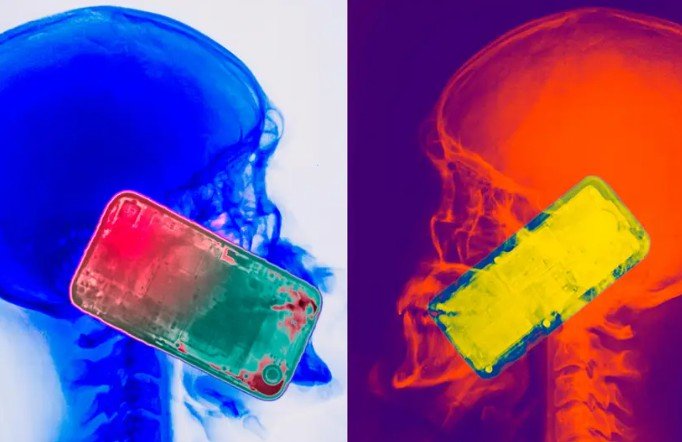
US, 17 July : Concerns over whether mobile phones can cause brain cancer have been debated for years, with researchers closely examining the possible health effects of electromagnetic radiation emitted by wireless devices. A new scientific review has found no evidence that mobile phone use increases the risk of developing brain cancer or other cancers affecting the head and neck.
The study analysed findings from multiple international research reviews and concluded that exposure to radiofrequency electromagnetic waves from mobile phones does not appear to be linked to cancer development. The findings are expected to provide reassurance to billions of mobile phone users worldwide who rely on wireless technology every day.
Electromagnetic waves are a part of everyday life and are used in several technologies, including mobile communications, Wi-Fi networks, radio broadcasting, television signals and satellite navigation systems. These waves fall into the lower-energy category of electromagnetic radiation, meaning they do not carry enough energy to directly damage DNA in the same way as high-energy radiation such as X-rays.
However, concerns about possible health effects have continued because certain forms of radiation are known to increase cancer risks. Scientists have therefore spent years investigating whether long-term exposure to mobile phone radiation could have similar effects.
Long-Running Concerns Over Mobile Radiation
Public concern about electromagnetic radiation increased significantly during the growth of modern technology. As mobile phones became a major part of daily life, questions emerged about whether keeping devices close to the head for long periods could affect brain health.
The concern was partly influenced by the known dangers of high-energy radiation. Medical imaging radiation, such as X-rays, can damage cells at high exposure levels and has been associated with certain cancers. However, researchers have consistently highlighted that radiofrequency waves from mobile phones operate at much lower energy levels.
Over several decades, scientific investigations have examined whether low-energy electromagnetic radiation from consumer devices causes harmful effects in humans. The majority of research has not found consistent evidence showing that these exposures lead to serious health problems.
Safety standards for electronic devices have also been developed worldwide to regulate radiation emissions and ensure that consumer products remain within scientifically accepted limits.
WHO Research Review Examined Health Effects of Electromagnetic Waves
In 2019, the World Health Organization (WHO) commissioned a series of scientific reviews to examine possible health impacts linked to electromagnetic field exposure.
Researchers reviewed available evidence on several health concerns, including cancer, fertility problems, headaches, tinnitus and other reported symptoms. The purpose was to evaluate existing knowledge and identify areas where further research may be required.
The latest analysis examined these reviews, including research focused specifically on mobile phone exposure and cancer risks. Scientists assessed hundreds of studies to determine whether long-term exposure to electromagnetic waves showed any connection with disease.
The review focused on evidence collected from human studies, particularly observational research where scientists studied health outcomes among people who used mobile phones without controlling their exposure levels.
Large-Scale Analysis Finds No Connection With Brain Tumours
The research team analysed 63 studies published between 1994 and 2022 to investigate whether mobile phone use was associated with cancers of the brain, head or neck.
The findings showed no increased cancer risk among mobile phone users. Researchers also found that the results remained unchanged regardless of how frequently people used their phones or whether they had used mobile devices for more than a decade.
The study also found no evidence connecting radio and television transmission exposure with childhood leukaemia, another health concern that has been discussed over the years.
Researchers noted that if mobile phone radiation was causing brain cancer, a rise in brain tumour cases would likely have been visible as mobile phone use expanded globally. However, cancer trends have not shown such a pattern.
Quality of Evidence Remains Important in Health Research
While the findings are reassuring, scientists explained that some areas of electromagnetic radiation research still face challenges because studying long-term health effects in humans is complex.
Human health is influenced by many factors, including genetics, lifestyle choices, diet, physical activity and environmental conditions. Separating the impact of one specific factor, such as mobile phone exposure, requires extensive long-term research.
Some studies reviewed in the broader analysis had limited data or lower quality evidence, making it difficult to draw firm conclusions about certain health effects.
However, research related to brain cancer received one of the strongest quality assessments possible for observational studies, strengthening confidence in the findings.
Experts Say Monitoring Should Continue as Technology Advances
Scientists involved in the research stressed that the absence of evidence of harm does not mean future studies are unnecessary. As wireless technology continues to develop, ongoing monitoring will remain important.
The introduction of newer communication technologies, including advanced mobile networks and connected devices, means researchers will continue evaluating exposure levels and possible health effects.
Maintaining updated safety guidelines will help ensure that technology develops alongside strong public health protections.
Current Mobile Phone Safety Limits Remain Effective
The latest findings suggest that existing exposure limits for mobile devices are likely providing adequate protection for users.
Researchers emphasized that mobile phones emit low-energy radiofrequency waves, which differ significantly from high-energy radiation known to damage DNA and increase cancer risk.
For everyday users, the study indicates that normal mobile phone use does not appear to increase the likelihood of developing brain, head or neck cancers.

