


Retail Fuel Price Hike Likely if Global Crude Oil Pressures Continue: BPCL HR Director
Supply disruptions, rising crude volatility and pressure on import bills could push India towards another retail fuel price revision, says BPCL Director Raj Kumar Dubey
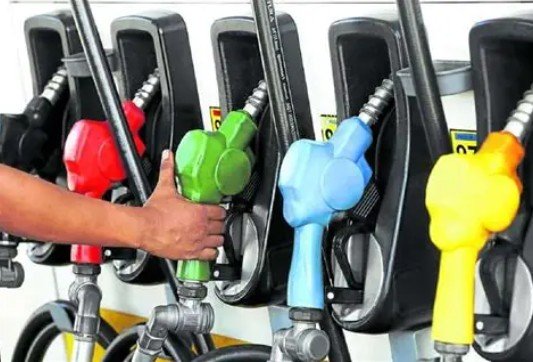
NEW DELHI: A fresh retail fuel price hike in India could become unavoidable if global crude oil disruptions continue for a prolonged period, according to Bharat Petroleum Corporation Ltd. (BPCL) Director HR Raj Kumar Dubey, who warned that policymakers may soon face difficult choices amid mounting pressure in international energy markets.
Dubey said the continuing instability in global oil-producing regions and the destruction of critical energy infrastructure are creating long-term uncertainties for fuel importing countries like India.
“Initially, the global price increase of 20 to 50 per cent was viewed as temporary, but the way the situation is unfolding, it appears the pressure may continue for a longer duration,” he said.
Three Options Before Policymakers
Explaining the possible responses to rising crude oil costs, Dubey said there are currently three major options available before the government and oil marketing companies.
The first option is to pass on the burden directly to consumers through a retail fuel price hike at petrol pumps. The second is for public sector oil companies to absorb the financial losses themselves, while the third option involves government support through deficit financing.
He indicated that if geopolitical tensions and supply disruptions persist, fuel price revisions may eventually become inevitable.
“If the current scenario continues for a long time, another fuel price increase may have to be considered,” Dubey said, though he refrained from specifying the extent of any possible hike.
India Managing Supply Risks Through Diversification
Despite global uncertainty, Dubey said India has managed to maintain fuel availability due to diversified sourcing strategies and diplomatic coordination.
Referring to disruptions around the Strait of Hormuz, where more than two million barrels of oil supplies have reportedly been affected, he stressed that diversification of import sources has helped India avoid shortages.
“Whether it is Russian crude, African supplies or oil from several other regions, diversified sourcing is helping maintain energy security,” he said.
According to Dubey, Indian oil companies earlier depended on nearly 20 supply points globally, but that number has now expanded to around 40, including Russian sources.
He added that India’s fuel consumption has continued to rise even after the onset of global conflicts, yet the country has managed to avoid major supply disruptions.
Green Energy Push Expected to Accelerate
Dubey also said the ongoing global energy crisis is likely to strengthen India’s transition towards renewable and cleaner energy sources.
Highlighting India’s progress in solar energy, he noted that the country has already crossed 200 GW of installed solar power capacity. He said rising import bills and pressure on foreign exchange reserves would further encourage investments in renewable energy.
“The momentum towards green energy will increase because imported energy significantly impacts foreign exchange,” he observed.
Focus on Gas, Ethanol and Hydrogen
The BPCL official highlighted the government’s broader energy transition strategy, including efforts to increase the share of natural gas in India’s energy mix from the current 7-8 per cent to 15 per cent in the coming years.
He also pointed to the strong push for compressed biogas (CBG) and ethanol blending.
Calling the 20 per cent ethanol blending programme a proactive policy decision, Dubey said the initiative has already reduced pressure on petrol demand and import dependency.
“Without ethanol blending, the country could have faced nearly 20 per cent more petrol shortage along with higher foreign exchange outflows,” he said.
Dubey further underlined the importance of investing in hydrogen fuel and other sustainable energy technologies as part of India’s long-term energy security strategy.
“Accelerating efforts towards hydrogen as a sustainable fuel for the future is among the important steps India needs to pursue,” he added.

