


Sacred Haj Journey Takes Flight
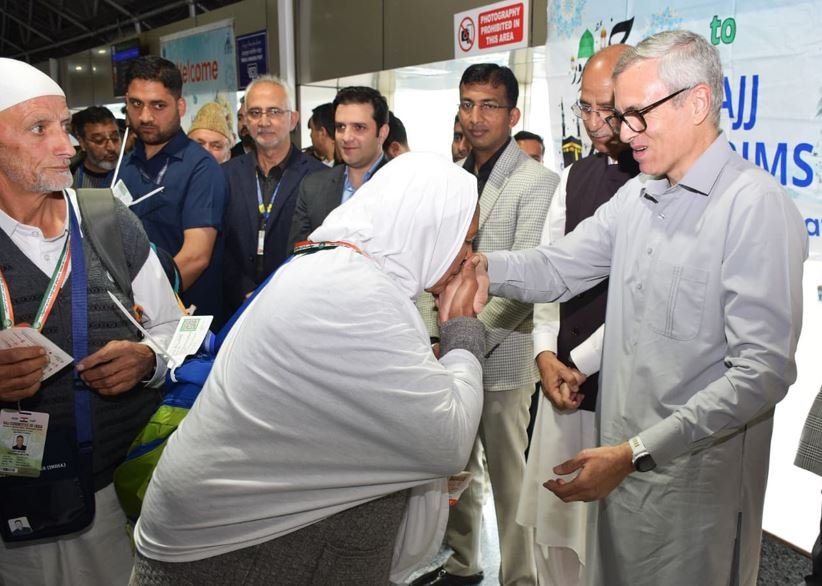
Chief Minister Omar Abdullah’s send-off to the first batch of Haj pilgrims from Srinagar International Airport marks a meaningful and emotional beginning to Haj operations 2026 from Jammu and Kashmir. It is not merely the start of an annual travel arrangement but a moment that carries deep spiritual significance for the pilgrims, their families, and the wider community. Haj is among the most sacred journeys in Islam, and for those preparing to undertake it, the occasion is filled with devotion, hope, and a profound sense of purpose.
The departure of the first batch of pilgrims also highlights the important role of public administration in supporting the religious and social needs of the people. In Jammu and Kashmir, where faith continues to hold a central place in everyday life, the facilitation of Haj is an exercise that requires not only efficient planning but also sensitivity and care. From travel arrangements and airport coordination to security and pilgrim assistance, the smooth conduct of this process reflects the seriousness with which the administration approaches this important responsibility. Chief Minister Omar Abdullah’s interaction with the pilgrims added warmth and reassurance to the occasion. His greetings and good wishes for a safe, peaceful, and spiritually fulfilling journey reflected a spirit of respect and solidarity. Such gestures are important because they help create confidence among pilgrims and their families, while also reminding the public that governance is at its best when it responds with empathy to moments of collective faith and emotion. The chief minister’s emphasis on values such as compassion, unity, and brotherhood gave the occasion a wider message. Haj is not only a journey of worship but also a reminder of humility, equality, and devotion. These values extend beyond the pilgrimage itself and speak to the broader ideals of harmony and mutual respect that every society seeks to strengthen. His prayers for peace, prosperity, and the well-being of the people of Jammu and Kashmir gave the send-off an added sense of public meaning and goodwill. The beginning of Hajj operations this year also underlines the importance of coordinated administrative arrangements. With thousands of pilgrims scheduled to travel over a number of days, the process requires careful planning, close cooperation, and disciplined execution from multiple departments and agencies. The presence of senior officials, airport authorities, and members of the Haj Committee and representatives of various departments at the ceremony reflected the collective effort involved in ensuring that the pilgrimage arrangements proceed smoothly and with dignity. At the same time, the departure of the pilgrims is also a deeply personal and emotional moment. For many, it is the fulfillment of a long-awaited spiritual aspiration. For families, it is a time of prayer, pride, and heartfelt farewell. This blend of faith, emotion, and public facilitation gives Haj operations in Jammu and Kashmir a special significance. It reminds us that some administrative responsibilities are closely tied to the emotional and spiritual life of society and therefore deserve both efficiency and understanding. The send-off of the first Haj batch can thus be seen as both a symbolic and practical milestone. It reflects the government’s commitment to enabling an important religious duty while ensuring that those undertaking the pilgrimage do so in a supportive and well-organized environment. Chief Minister Omar Abdullah’s presence at the airport helped reinforce that sense of care and institutional support, giving the occasion a calm and respectful tone.
As the pilgrims proceed on their journey, the hope across Jammu and Kashmir will be that they return safely with prayers answered and hearts fulfilled. Their departure has already marked a moment of grace and collective sentiment, reminding the region that faith, when supported by sincere administration and public care, can become a source of unity, reassurance, and shared hope. Chief Minister Omar Abdullah deserves appreciation for lending warmth, dignity, and administrative attention to the Haj send-off. Going forward, the government should further strengthen pilgrim facilitation through seamless coordination, enhanced assistance services, and regular review of arrangements to ensure greater comfort, efficiency, and care.

